
Your first affiliate website after 60 is one of the most accessible ways to earn passive income online, and it’s never too late to start. Whether you’re looking to supplement your retirement income, explore a new hobby, or build a full-fledged online business, setting up your first affiliate website after 60 can be rewarding and empowering.
Change at Sixty have prepared this guide to walk you through the process step-by-step on how to set up your first affiliate website after 60, with no technical jargon or overwhelming complexity—just clear and actionable advice.
Why Affiliate Marketing for the over 60's is perfect for you.
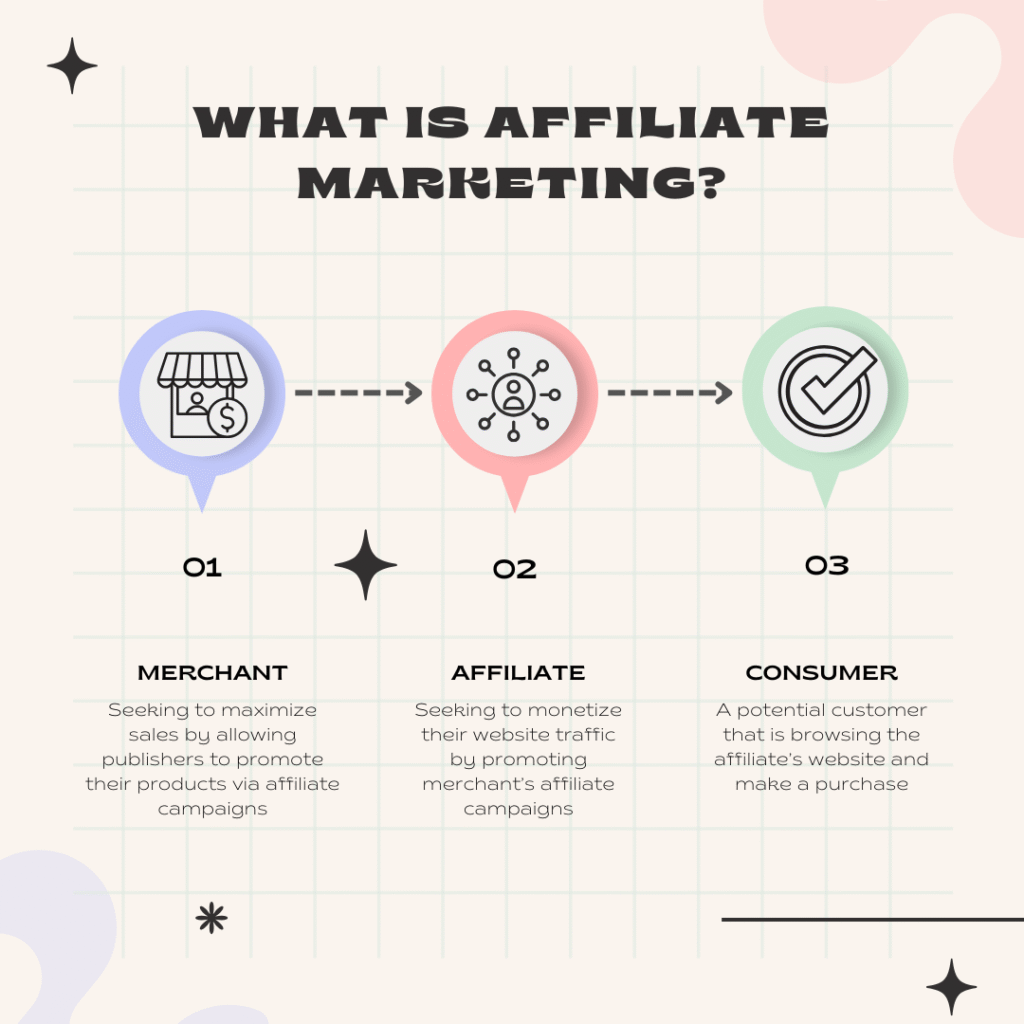
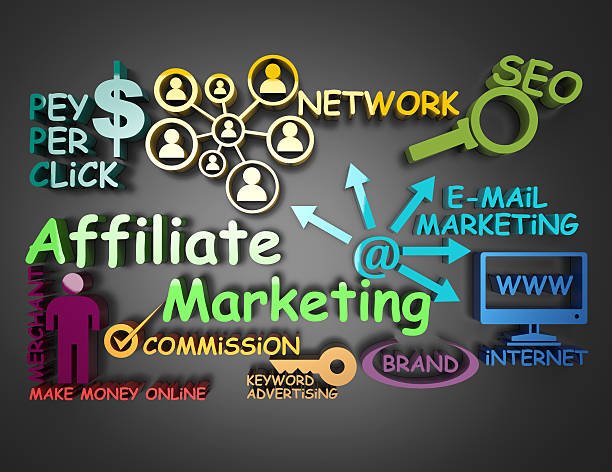
Affiliate marketing involves promoting products or services and earning a commission when someone makes a purchase through your unique affiliate link.
It’s great for a man over 60 like you who has a host of experiences and quite possibly the spare time to turn those experiences into passive income or a full-time business. Here’s why it’s a great fit:
- Low startup costs: There is no need to create your own products or store inventory in your home or garage.
- Flexible schedule: You can work at your own pace from home on holidays anywhere.
- Scalable income: Start small and grow over the long term.
- Leverages life experience: Your passions and interests can help you decide which niche you would like to promote.





Step 1: Choose Your Niche
Your niche is the specific topic or topics your website will focus on. It should be something that is a passion of yours, something you would find easy to write about and a niche that has market demand.
- Tips for Choosing a Niche:
Think about your hobbies, passions, or something from your professional background.
If you are passionate about or have experience in health and wellness, travel, personal finance, gardening, woodwork or technology for seniors, your niche could be here.
You can use tools like Google Trends or Ubersuggest to check interest levels of various niches.
Example: If you love gardening, your niche could be “organic gardening for beginners.” Or if you have a background in finance your niche could be “how to avoid being broke at retirement.”
Step 2: Research Affiliate Programs

Once you have decided on your niche, you’ll need to find affiliate programs that offer products or services related to it. Here are some popular affiliate networks:
- Amazon Associates – Wide range of products.
- ShareASale – Great for niche products.
- CJ Affiliate – Offers big brand partnerships.
- ClickBank – Focuses on digital products.
Or search for companies that supply products related to your niche and see if they have affiliate programs. If they do, you will generally see their program details at the bottom of their website.
You should look for affiliate programs that have:
- Competitive commissions
- Reliable tracking and payouts
- Products you genuinely believe in
Step 3: Choose a Domain Name and Hosting
To set up your first affiliate website after 60 you will need to purchase a domain name for your affiliate marketing website. Your domain name is your website’s address (e.g., www.gardeningwithgrace.com). Choose something memorable and relevant to your niche.
Keep your domain name short and easy to spell and something that someone would use in a Google search.
Avoid using numbers and hyphens and use .com if possible.
Once you’ve picked your Domain name you will need hosting services for your domain
For web hosting, we recommend you consider beginner-friendly providers like:
- Hostinger – which is affordable, user-friendly, and offers one-click WordPress installation—ideal for affiliate marketing beginners.
- Bluehost – A popular choice with strong support for new bloggers and seamless WordPress setup.
- SiteGround – Known for excellent speed, security, and customer support—perfect for scaling your affiliate website.
Step 4: Setting Up Your First Affiliate Website After 60
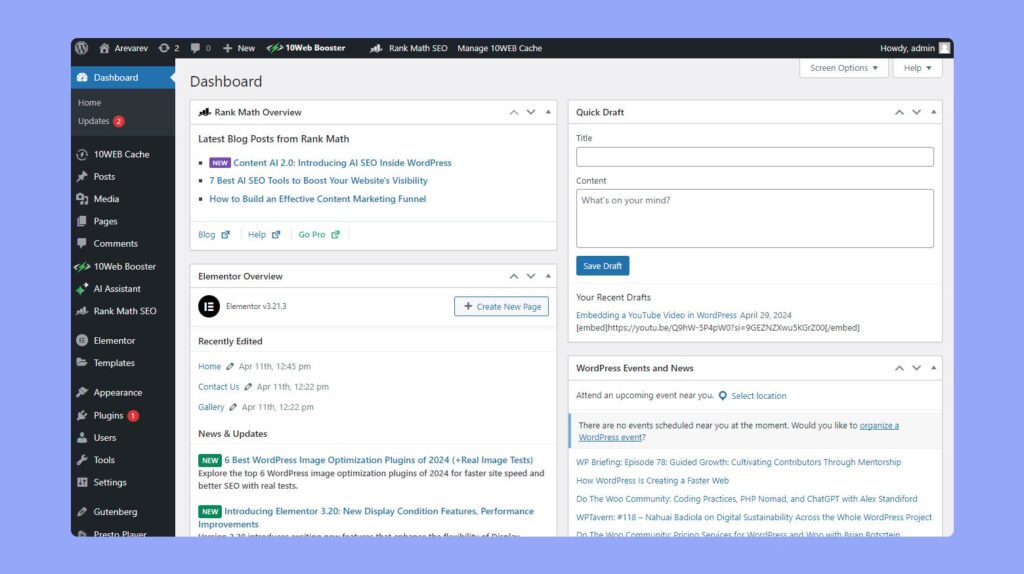
WordPress is the most popular platform for affiliate websites and is ideal to set up your first affiliate website after 60.
Here are the basic setup steps for WordPress:
- Install WordPress via your hosting provider. e.g. Hostinger
- Choose a theme (free or paid) that suits your niche.
- Install essential plugins:
- Yoast SEO (for search engine optimization)
- Pretty Links can manage your affiliate links.
- WP Forms for your contact forms
There’s no need to worry about making your website perfect—just focus on its functionality and clarity.
There are some great video tutorials. Search YouTube for tutorials on how to set up your WordPress affiliate blog.
If designing your own website form scratch seems a bit daunting you can search Fiverr and find a website creator who can do it for you. Fiverr offers a whole range of services provided by excellent professionals at very cost effective pricing, so make sure you check out Fiverr if you’d like some help with your website.
Step 5: Create Quality Content

Content is the heart of affiliate marketing. Your goal is to help your visitors solve their problems or help them make informed decisions.
Product reviews, how-to guides, comparison articles and listicles (e.g., “Top 10 Gardening Tools for Seniors”) are great topics to include in your content.
When writing your content make sure you are honest and transparent and have a genuine interest in the subject of your content. Don’t forget to include your own experiences with your subject matter.
If your content is planting summer vegetables, don’t forget to include things that worked and didn’t work for you. Include images of your successes and failures. Your audience is craving real-life experiences from a real person—not a stock photo which has been used repeatedly.
You can still use stock photos to break up your text or give context to an article but don’t claim them as your own if they aren’t.
Unsplash is a great website for free images.
End your content with a clear call to action button (CTA): e.g. Click here for more info, Interested? Click here etc.
Include your affiliate links naturally within the body of your content and make sure they follow logically what you have written.
If you are writing about an experience you had with “growing vegetables in the shade,” make sure the affiliate link for the product you are promoting is in the body of the content or close to it as your reader may just want to find out more about the product without reading the rest of the content and make sure your affiliate links are clickable. (clickable means when the reader clicks on the link they will get taken to the product or service you are promoting)
Step 6: Drive Traffic to Your First Affiliate Website after 60

Without traffic, your website won’t generate income as your customers won’t know where you are. There are plenty of free ways to attract visitors (traffic) to your site:
Organic Methods:
- SEO (Search Engine Optimization): Use keywords your audience is searching for.
- Pinterest: Great for visual niches like DIY, food, and lifestyle.
- Facebook Community Groups: Start up a Facebook page and direct your followers to your site.
Paid Methods (Optional):
- Google Ads
- Facebook Ads
Start with free organic methods (SEO) then scale to paid ads (Facebook and Google) as you grow.
Step 7: Track Performance and Optimize

Once your affiliate website is live, monitoring its performance is essential for growth. Tracking helps you understand what works and what needs improvement. Focus on metrics like:
- Traffic Sources – Where visitors come from (search engines, social media, referrals).
- Conversion Rates – How many visitors click your affiliate links or make purchases.
- Bounce Rate & Engagement – How long users stay and interact with your content.
Optimization Tips:
- Improve underperforming pages by updating content, adding keywords, or enhancing calls-to-action.
- Test different layouts, headlines, and link placements (A/B testing).
- Speed up your site and ensure mobile responsiveness for better user experience.
Recommended Tools:
- Google Analytics – Track traffic, user behavior, and conversions.
- Google Search Console – Monitor SEO performance and fix indexing issues.
- Affiliate Network Dashboards – When you get allocated an affiliate link you will also get access to the Affiliate Dashboard where you can check clicks, sales, and commissions.
- Hotjar or Microsoft Clarity – Visualize user behavior with heatmaps.
- Rank Math or Yoast SEO – Optimize content for search engines
Step 8: Stay Consistent and Keep Learning
Affiliate marketing is not a get-rich-quick scheme, and you can be excused for believing it may be with the internet filled with providers overpromising and underdelivering. The key is to consistently create new content and keep learning.
- Set realistic goals to produce one or two blogs per week.
- Research one or two of the many affiliate marketing communities or forums that are available. You might find one that is in the same niche or close to yours. If you can’t find one, start one up and make regular posts directing readers to your site.
- Watch tutorials and read blogs in your niches to stay updated and get ideas for your content design and feel.
In the early days, every click and sale counts no matter how long it takes to get one—so make sure you congratulate yourself when you get small wins.
Starting an affiliate website after 60 isn’t just possible—it’s a fantastic way to leverage your experience, creativity, and curiosity. You don’t need to be a tech wizard or marketing guru. With patience and persistence, you can build a site that earns income and reflects your passions.
So why not take that first step? Your affiliate journey could start now—and the best part? You’re in control.
Affiliate Disclosure
At Change at Sixty, transparency is important to us. In compliance with the Federal Trade Commission (FTC) guidelines and Amazon Associates Program requirements, we want you to know that some of the links on this website are affiliate links.
This means that if you click on an affiliate link and make a purchase, we may earn a small commission at no additional cost to you. These commissions help us maintain this site and continue creating valuable content for our readers.