
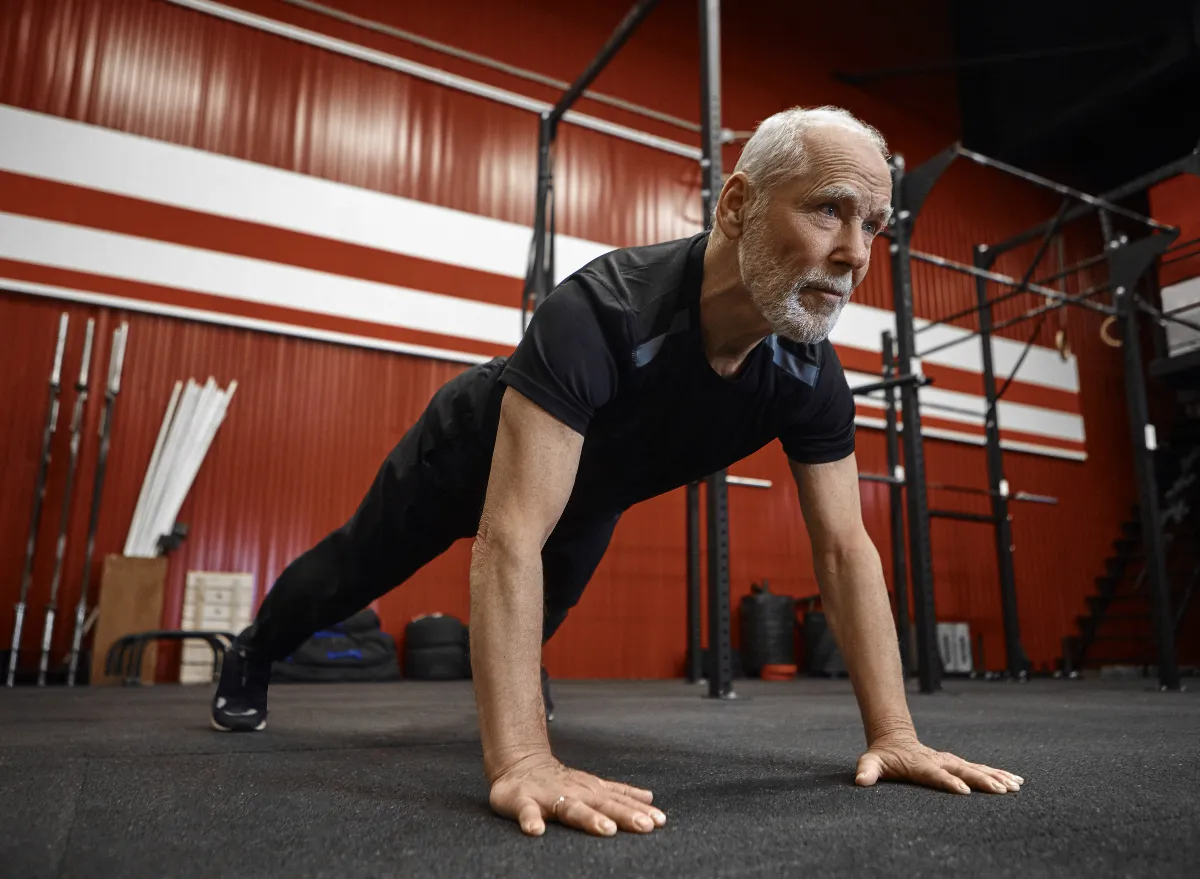
Strength training for men over 60 is one of the most important habits you can build, yet it’s often overlooked even though it deserves the same priority as going to work, socialising, or spending time with family.
For most of our lives, we are guided by routines—we get up, go to work, show up for family, meet friends, and tick off daily responsibilities. These things become automatic, part of who we are. But as we cross 50, and especially after 60, there is one routine that needs to join this list: strength training. Not bodybuilding or punishing gym marathons—just consistent, smart strength training that supports healthy aging, mobility, energy, and long-term independence.
And the good news is that you only need about one hour a day, 4–5 days per week. After just 2–3 weeks of regular sessions, this becomes a habit—just like brushing your teeth or turning up for work. Strength training is not optional after 60. It’s vital.
check out our blog…..Consistency in Fitness after 60 for more great information.

Why Strength Training for Men Over 60 Is the Most Important Habit You Can Build
You’ve probably heard that strength training helps you “stay fit.” But for men over 60, its effects are far deeper and more life‑changing. Here’s why it needs to sit alongside all your other routines in life like going to work, spending time with your family and socialising with friends.
- Strength Training Fights Muscle Loss (Sarcopenia)
From about the age of 40, we naturally lose 1–2% of our muscle mass every year. After we turn 60, that rate can accelerate and this loss can affect everything, our balance, our mobility, our independence, our energy levels, and even how often and how severely we can get injured.
Strength training is the only proven way to stop, slow down, and is some cases even reverse this process.
Whether you’re pressing dumbbells, using resistance bands, or doing bodyweight exercises, you’re telling your body not to give up your muscle, you’re telling your body you still need muscle strength and growth.
- Strength Training Boosts Metabolism and Supports Healthy Weight
Many men over 60 notice they are gaining weight more easily even though they’re eating the same food they always did.
That’s because less muscle means fewer calories burned each day.
Strength training rebuilds metabolically active muscle tissue, making it easier to maintain or lose weight—without starving yourself.
- Strength Training Protects Your Joints and Reduces Pain
A strong body supports joints the way a good frame supports a house. Stronger muscles around your knees, hips, back, and shoulders can mean:
- less pain
- an increase in your stability
- fewer injuries
- better mobility and confidence
- less reliance on other to assist you in daily activities
Strength training is like medicine without all the side effects.
- Strength Training Protects Improves Balance and Reduces the Risk of Falls
Falls are a major cause of injury for older adults, but most are preventable.
Strength training improves:
- your balance
- your coordination
- proprioception (your body’s “internal GPS”) your perception or awareness of the position and movement of your body
- your reaction time
Even simple moves like step‑ups or bodyweight squats can dramatically improve your stability.

Why Strength Training for Men Over 60 Needs to Be as Automatic as Going to Work
Think about the things you’ve done consistently throughout your life:
- You turned up to your job because you had to.
- You showed up for your family because it mattered.
- You met your mates for social contact because you enjoyed it.
Strength training deserves that same level of priority because it supports everything else you love doing.
You can’t enjoy family time if your back aches or play your guitar comfortably if your posture collapses and you can’t travel, explore, or pursue new hobbies if your energy is low or your balance is fading.
Strength training gives you the strength to keep living not just surviving from day to day.
You Only Need One Hour a Day, 4–5 Days a Week
A lot of men imagine they need two hours in a gym with loud music and big guys dropping weights. This is not the case.
A smart, simple program lasting 45–60 minutes does the job: Pick the days of the week that suit your timetable. Have a break day between sessions. And you can do it at home.
- Warm‑up: 5 minutes
- Strength training: 30–40 minutes
- Cool‑down / stretching: 10–15 minutes
.After 2–3 Weeks, You’ve Built the Habit
Research consistently shows that two to three weeks of consistent action is enough to “lock in” a new habit.
Once you get through the first handful of sessions, strength training becomes:
- approachable
- energizing
- familiar
- something you look forward to
- is now part of your life.
You don’t need perfect discipline—you just need the first 2–3 weeks of consistently turning up for your sessions.
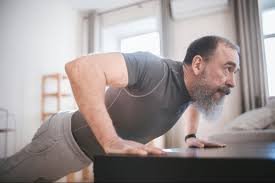
What a Typical Week of Strength Training for Men Over 60 Looks Like
Here’s a simple structure from Change at Sixty you can follow:
Upper Body Push Session
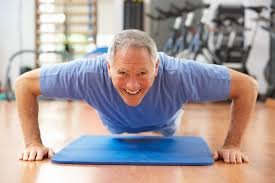
- Push‑ups or incline push‑ups
- Dumbbell shoulder press
- Chest press with resistance bands
Lower Body Session
- Squats or chair squats
- Lunges or assisted lunges
- Step‑ups
- Calf raises.
Upper Body Pull Session
- Resistance‑band rows
- Dumbbell rows
- Bicep curls
Full Body Mobility + Strength Session
- Light kettlebell swings
- Deadlifts with dumbbells
- Core work: planks, leg raises.
Optional Bonus Workout (Short Session)
- 20–30 minutes of your favourite exercises
Remember consistency beats intensity and long‑term wins beat short‑term burnout.

Your Strength Training for Men Over 60 Starter Pack (Everything You Need to Begin Today)
You don’t need a gym membership, you don’t need expensive machines, and you do not need complicated equipment.
A simple starter kit allows you to train anywhere—home, garage, garden, or while travelling.
Perfect for rows, chest exercises, shoulder work, warm‑ups, and mobility.
They save space and give you all the weight options you will need.
Great for full‑body strength, power, and conditioning.
Protects your back and knees and makes stretching comfortable.
Useful for step‑ups, dips, seated exercises, and stability work.
If you cannot do pull‑ups yet, it is great for hanging, grip strength, and stretching your spine.
Helps with recovery, stiffness, and mobility.
A simple setup like this costs less than most modern hobbies and will last you for many years.
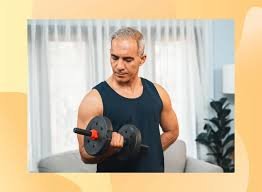
What Happens When You Make Strength Training for Men Over 60 a Non‑Negotiable Part of Life
You are likely to see some significant changes in your physical and mental condition after a 4–8-week period of consistent strength training. Some of these will be
- A stronger posture
- Reduced pains in your joints
- Your mobility will increase
- You’ll have more confidence
- You’ll have more energy
- Your mood will improve
- You’ll have a more youthful appearance
- You’ll find it easier to control your weight
- You’ll have more social engagement
- You’ll sleep better
It is not about looking like a fitness model. It’s about ageing with strength, dignity and independence. Strength training is the anchor habit that makes everything else in life easier.
Your Future Self Will Thank You
Can you imagine how you will look and feel in 12 months from now if you dedicate one hour, 4-5 times per week to your strength training.
You will be stronger.
Your balance will be better.
Your clothes will fit differently.
Your joints are happier.
Your energy is higher.
You feel younger—not older
Guaranteed, people will notice the different you. And to think it all started with one simple decision you made to start your strength training.
So, treat strength training as seriously as your work, your family time, and your social commitments. Make it part of your identity. Show up for your body the same way you show up for the people you love.
Remember just one hour a day, 4–5 days a week, two to three weeks to build the habit and a lifetime of benefits.
Start today your body will thank you for it.
Affiliate Disclosure
At Change at Sixty, transparency is important to us. In compliance with the Federal Trade Commission (FTC) guidelines and Amazon Associates Program requirements, we want you to know that some of the links on this website are affiliate links.
This means that if you click on an affiliate link and make a purchase, we may earn a small commission at no additional cost to you. These commissions help us maintain this site and continue creating valuable content for our readers