
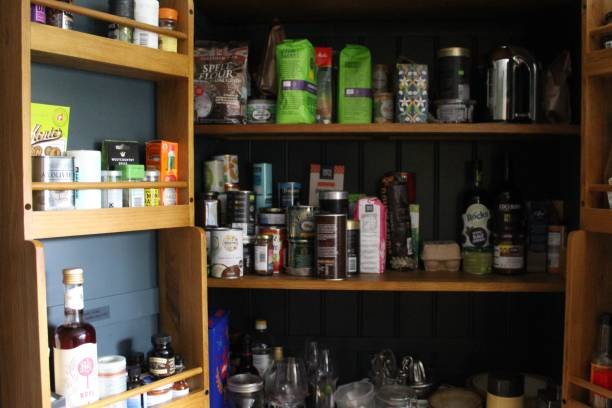
As we hit our 60s, energy, digestion, blood pressure, muscle mass — even cravings — can shift. But one thing stays the same: we eat what we keep around. That’s why a quick pantry audit for men over 60 is one of the most powerful, low‑effort upgrades to your health.
Key takeaways
- Your pantry determines everyday choices: salty sauces vs. herbs, sugary cereals vs. oats.
- Small swaps (lower sodium, less added sugar, fewer saturated fats, more fibre) = big wins.
- A 3‑minute label check can reset habits for good.
If you’d like information on Superfoods for men visit our blog Superfoods for Men Over 60
Why A Pantry Audit for Men Over 60 Works
The pantry you open decides whether you snack well or poorly, the sodium and sugar in your meals, and whether you cook something nourishing or grab whatever’s easy. You don’t need a “diet.” You need better defaults in the pantry — especially for salt, saturated fat, and added sugars.
What the experts recommend (quick benchmark)
- Salt (sodium): Keep salt <5 g/day (≈2,000 mg sodium) to reduce blood‑pressure and heart risk.
The American Heart Association says ≤2,300 mg/day and ideally 1,500 mg/day for heart health. - Saturated fat: Aim for <6% of total calories; higher saturated fat raises LDL (“bad”) cholesterol.
- Added sugars: Keep <10% of total calories (and less is better) to curb weight gain and diabetes risk.
These numbers matter more after 60 because recovery from poor eating patterns is harder and cardiometabolic risks climb.

The 3‑Minute Pantry Audit (anyone can do it)
Grab three items you actually use:
- One sauce/condiment (e.g., soy, stir‑fry sauce)
- One snack
- One quick meal (instant noodles, pasta kit, canned soup)
Flip the pack and find three numbers on the Nutrition Facts/Info panel:
Sodium (Salt)
- High sodium raises blood pressure and cardiovascular risk.
- Practical label tip: 5% DV or less = low; 20% DV or more = high sodium per serving.
- In UK/AU-style back‑of‑pack guides, >1.5 g salt per 100 g is high
Saturated fat
- Saturated fat affects LDL cholesterol more than total fat. Keep it <6% of calories.
Added sugars / refined carbs
- Keep added sugars <10% of calories; they drive weight gain and blood sugar swings.
- Pro tip: If a serving shows ≥20% DV for sodium, or sugar is in the first 3 ingredients, put it on your swap list.
Common Problem Foods Hiding in the Pantry
- High‑sodium sauces: soy, stir‑fry sauces, jarred pasta sauces, stock cubes, BBQ sauce — often in the “high salt” zone (>1.5 g/100 g).
- Instant noodles & boxed meals: triple threat — high sodium, low fibre, mostly refined carbs (often blowing out daily sodium limits).
- Sweet cereals & ‘healthy’ bars: can be loaded with added sugars; aim for less than 10% of calories from added sugar.
- Creamy dressings & sauces: frequently high in saturated fat, sodium, and added sugars.
- Crackers, chips, snack mixes: easy to overeat; often high in salt and refined oils with little real nutrition.

Smart Pantry Swaps (realistic & budget‑friendly)
Swap instant noodles for:
- Wholegrain noodles/pasta, quick‑cook brown rice, tinned lentil soups (lower‑sodium), or beans + microwavable brown rice (2‑minute meal).
Swap sweet cereals for:
- Rolled oats, unsweetened muesli, or Greek yoghurt + berries + nuts (watch added sugars in flavoured yoghurt).
Swap creamy sauces for:
- Olive oil + lemon, tomato passata + herbs, fresh salsa, or Greek yoghurt dressings (lower saturated fat).
Swap processed snacks for:
- Unsalted or lightly salted nuts, air‑popped popcorn, hummus + veggie sticks, roasted chickpeas (more fibre, less sodium).
Swap high‑sodium jar sauces for:
- Passata, chopped tomatoes + garlic + herbs, and compare like‑for‑like lower‑sodium options. (Aim for lower %DV on the label).
Tip for men over 60: Fibre is your best mate for digestion, cholesterol, weight control, and steady energy — something most processed shelf foods lack. (Fibre Rich Foods are Oats, beans, lentils, veg, nuts, seeds.)
The “Better Choice” Rule (keep it simple)
When comparing two similar items, choose the one that is:
- Lower in sodium (use %DV: aim for 5% or less per serving when possible)
- Lower in saturated fat (closer to that <6% of calories target)
- Lower in added sugars (keep under 10% of calories)
- Higher in fibre
- Shorter ingredient list
Even if it ticks 2 or 3 out of 5 boxes, it’s a win and far healthier for you.
OK we’ve done the groundwork. Something as simple as doing an audit of 3 or 4 products in your pantry can make an instant difference to your eating habits and overall wellbeing.
In the next section, we’ll look at something many men over 60 often ask about.
SUPPLEMENTS
Let’s be clear upfront: supplements can’t and shouldn’t replace real food. But for men over 60, they can be extremely helpful because as we age our,
- Appetite can change
- Vitamin absorption can decline
- Muscle recovery slows down
- Bone health becomes more important
- Omega‑3 and fibre intake tends to drop with age
So, the right supplements can support healthy eating habits especially when paired with the pantry upgrades from earlier.
Important: Always check with your GP if you take blood thinners, cholesterol or blood-pressure medication, or have kidney issues before considering any form of dietary supplements.
Omega‑3 Fish Oil
Omega‑3s support heart health, brain health, joint comfort, and overall inflammation — all key for men over 60. Many people don’t eat enough fatty fish, so a supplement fills the gap.
Nordic Naturals Ultimate Omega
Men over 60 can benefit from supplementary Omega 3 intake They support heart health, help with stiffness and joint mobility and also assist in maintaining cognitive function.
Psyllium Husk (Fibre Supplement)
Fibre is essential for digestion, cholesterol, appetite control, and maintaining regular bowel movements which are all especially important for men over 60.
Fibre can improve digestive regularity, help manage cholesterol, maintain healthy blood sugar levels and reduces mid‑meal cravings
Metamucil 4-in-1 Psyllium Husk Fiber Supplement
Vitamin D3
Many men over 60 don’t get enough sunlight or dietary vitamin D, which affects bone strength, immunity, and mood.
Vitamin D3 supports bone density, improves calcium absorption, helps immune function and may support mood and energy

Books That Support Healthy Eating for Men Over 60
These books are perfect for building healthy eating habits for men over 60, especially if you want inspiration for meals that taste great and support long-term health.
This is a hugely popular cookbook built on the Mediterranean diet — one of the most studied, heart‑healthy eating patterns. It is ideal for men over 60 because it emphasises whole foods, heart-healthy fats, lots of vegetables, beans, and fibre and has easy and tasty recipes
DASH is clinically proven to support healthy blood pressure, making it perfect for over‑60 nutrition. It focuses on a lower sodium approach which is great for heart and kidney health, balanced meals and simple grocery lists and recipes
Combining these resources with a smarter pantry puts men over in a powerful position to build long-term healthy eating habits
References
Salt & Sodium Guidelines
• World Health Organization (WHO) — Adults should consume <5 g salt (≈2,000 mg sodium) per day.
• American Heart Association (AHA) — Sodium intake should remain ≤2,300 mg/day, with an ideal target of 1,500 mg/day.
• FDA Sodium Label Guide — 5% DV = low sodium, 20% DV = high sodium per serving.
• NHS Food Labelling Guide — High salt = >1.5 g salt per 100 g.
Saturated Fat Guidance
• American Heart Association (AHA) — Limit saturated fat to <6% of total daily calories.
Added Sugars Guidance
• World Health Organization (WHO) — Keep free sugars <10% of total energy, with further benefits at <5%.
Nutrition Label Reading (Sodium, Sugar, Fat)
• FDA Nutrition Facts Label Guidance — Daily sodium value = 2,300 mg, with 5%/20% DV thresholds for low/high sodium.
• WHO/Global Sugar Guidance — Processed foods often hide added free sugars linked to weight gain and dental health risk.
Mediterranean & DASH Diet Support
• AHA Scientific Statement (Dietary Patterns) — Mediterranean and DASH diets strongly align with 2021 AHA heart‑healthy guidance.
Omega‑3 Evidence
• NCCIH — EPA/DHA omega‑3s may modestly reduce coronary events; supplements useful when seafood intake is low.
• NIH Office of Dietary Supplements (ODS) — Overview of ALA, EPA, DHA sources and roles.
Psyllium (Soluble Fibre) Evidence
• Harvard Health Publishing — Psyllium shown to lower LDL cholesterol (~10 g/day in trials).
Vitamin D Guidance
• NIH Office of Dietary Supplements (Consumer Fact Sheet) — Vitamin D supports bones, muscles, immunity; adults 19–70 need 15 mcg (600 IU), and adults 71+ need 20 mcg (800 IU).
Affiliate Disclosure
At Change at Sixty, transparency is important to us.
In compliance with the Federal Trade Commission (FTC) guidelines and Amazon Associates Program requirements, we want you to know that some of the links on this website are affiliate links.
This means that if you click on an affiliate link and make a purchase, we may earn a small commission at no additional cost to you.
These commissions help us maintain this site and continue creating valuable content for our readers.