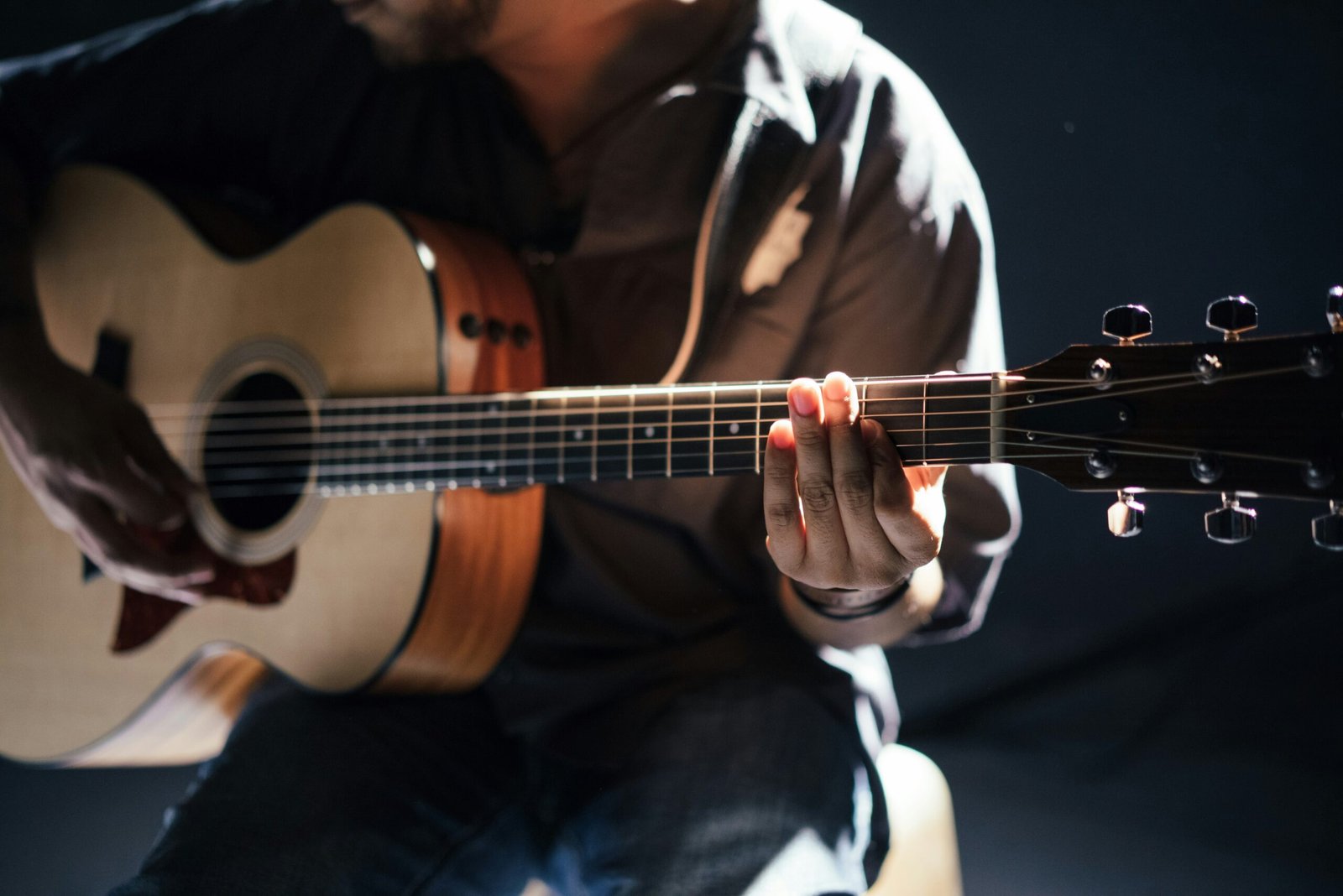

If you’ve ever dreamed of making music with others, there’s no better time than now to learn how to start a band at 60. Whether you used to play as a teenager or you’re picking up an instrument for the first time, forming a band later in life can be one of the most satisfying, energising, and creatively fulfilling experiences you’ll ever have.
Men over 60 bring decades of life experience, patience, perspective, and musical taste that younger musicians often lack — and that makes your band journey even more rewarding.
In this guide, you’ll learn how to start a band at 60, what you need to consider, the equipment you’ll need, and how playing in a band dramatically improves your own individual playing skills.
Check out our blog “unlocking your unique tone” for more great ideas on getting the best out of your guitar journey.
.
Why Learning How to Start a Band at 60 Is More Popular Than Ever
Retirement or semi‑retirement brings you time and space for creativity. Playing music with other like-minded players keeps your mind sharp, your body active, and your heart full. Best of all, starting a band isn’t about perfection — it’s about having fun, connecting with new friends and getting better at playing your instrument.
So, if you’ve ever wondered how to start a band at 60, the answer is simple: take the first step now and then everything else will flow naturally

First, Define Your Musical Direction
Knowing how to start a band at 60 begins with understanding what you want musically:
Ask yourself the question, What sort of band do you want to start. What genres of music do you enjoy?
Do you just want casual jams with friends when everyone is available or a more structured approach with regular rehearsals? Do you see yourself playing live at bars and small clubs. What about recording your music or do you just want to meet weekly for fun and good times.
Having a clear direction of what you want makes it much easier to find the right bandmates who have the same interests as you do.
Defining your musical direction early on will also make it easy to choose the right gear you will need. More about that later
Next, Finding Bandmates When You're Over 60

Finding the right musicians is easier than you might think. Lots of older adults want to join a band but don’t know where to look.
Put a notice up in your local community centres or music club, “Bandmates Wanted”
Check out any Facebook Pages where local musicians hang out. Put up a post explaining what your plans are and what sort of players you are looking for.
Online platforms like Bandmix are great for finding like minded musicians in your local area. Check out your local online “musicians available” websites for people just like you who want to join or start a band.
Ask around at work to see if anybody plays an instrument that you would like to see in your band. You may be surprised at what people do in their spare time and haven’t told you about it.
Ask family and friends if they know anybody who might be interested, sometimes word of mouth can be the best way to find your new bandmates.
Next time you’re in your favourite music store ask them if you can put a notice or flyer on the counter. Chances are people who are buying music gear would be interested in what you’re looking to do
Whatever way you decide to look for bandmates, don’t forget to specify what your ideal band setup is. Is it a four-piece made up of Vocalist, Guitar, Bass and Drums playing popular music from the 60’s and 70’s or focusing on blues. Or do you play a classical instrument and want to find players with similar interests.
When you’re learning how to start a band at 60, remember you want enthusiastic and reliable players, people with the same passion as you.
Step 3: Practical Considerations for Older Musicians

Starting a band at 60 is absolutely achievable. Just keep these things in mind:
Rehearsal Space
Choose a location that is easy for everyone to get to. It might be at a member’s house or at a sound/rehearsal studio. If you rehearse at a band members house, remember the neighbors, they might not have the same level of enthusiasm for your new musical journey as you have. Sound/Rehearsal studios are generally soundproofed so safe volume isn’t an issue and you’re not going to annoy anybody
Physical comfort
Use supportive stools or chairs when rehearsing and gigging. Choose gear that isn’t too heavy both to transport and to play. Chances are you might have to climb stairs to get to the band room if you’re gigging, you’ll be thankful if you have gear that doesn’t weigh too much.
Hearing protection
Make sure you rehearse at safe volume levels. Yes, live ACDC sounds great at full volume, but your hearing won’t last if you don’t mange your volume levels while practicing and rehearsing. Musician Grade earplugs are a great idea. Here’s two of our favourites:
Eargasm High Fidelity Blue Earplugs
Manageable rehearsal times
You don’t need to do 3–4-hour rehearsals to achieve your band goals. Sessions of 60–90 minutes keep energy and enjoyment high. Once a week is fine when you’re starting out.
Shared expectations
Life will be easier for everyone in the band if you all agree on the direction you want the band to go in, the type of music you want to play and how long and how often rehearsals should go for. Commitment is probably the most important thing you want from each member. Commitment to practice the agreed songs at home individually and then commitment to attending rehearsal. If you can’t get commitment from each band member the band isn’t going to last long.
Step 4: Choosing the right gear for starting a band at 60
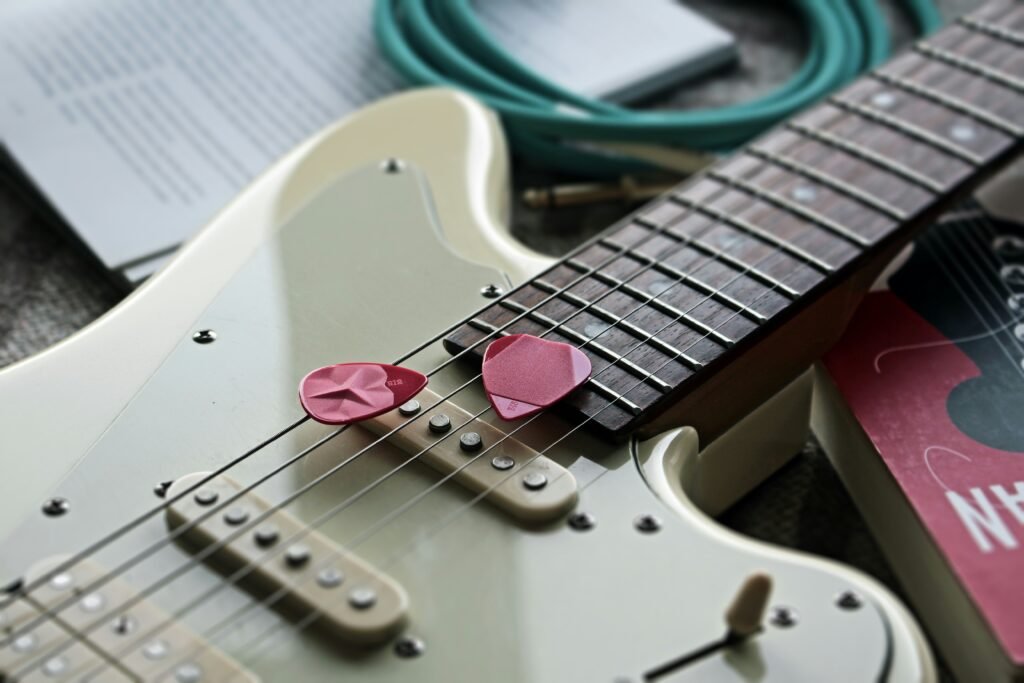
You may already have your own gear but if not, we have put together a list of gear to consider if you were going to play guitar in a band that plays predominantly popular music. We assume you have already got your own guitar
Guitar or Bass Amplifiers
When exploring how to start a band at 60, one of the first purchases is a reliable practice amp. Here’s a few of our favourite basic practice guitar/bass amplifiers, relatively inexpensive and quality enough to get you going
Flatsons FBA-10 Guitar Amplifier
These amps offer lightweight designs, headphone jacks, simple controls and can easily be used for practice or small gigs
- Microphones for Vocals or Amps
If your band plans to rehearse with vocals or mic guitar amps, you’ll want a dependable microphone. According to leading 2025 equipment reviews*, the Shure SM58, Sennheiser E609, and AKG C414 are all quality staples for both live and recording scenarios. These mics are durable, versatile, and suitable for all skill levels.
*Source musiccritic.com , ghttps://store.musiccritic.com/pages/about-us
- Cables, Stands & Basic Accessories
You’re going to need instrument cables, microphone cables, stands, headphones, small mixers, and possibly acoustic treatment panels
- Tuners & Metronomes
A clip‑on tuner and a basic metronome ensure your band stays tight — vital when you’re learning how to start a band at 60 and keeping your playing consistent.
Step 5: How Playing in a Band Improves Your Individual Skills

One of the great advantages of learning how to start a band at 60 is how fast your personal playing improves.
- Your Timing Gets Better
Playing with others forces you to improve your internal timing. You’ll naturally sync with the drummer or rhythm guitarist.
- You Learn to Listen
In a band, you’re listening for the dynamics, groove and the correct tuning and how your part fits into the overall band sound. If you play guitar, playing at home by yourself is one thing, once you combine your playing with a bass guitar and drums and possibly a second guitar player you will be amazed at how the combined sound can reach a whole new level. This can dramatically sharpen your musical awareness.
- Increased Confidence
Playing with others gives you confidence that solo practice can’t. When every band member is in time and knows where their part fits your confidence in making music will soar.
- Consistent Practice
Being part of a band encourages regular playing. You don’t want to turn up for rehearsal having not learned your part. If you do, it will hold everybody up and you don’t want to let your bandmates down.
- Creative Growth
You’ll try new techniques, chords, rhythms, and fills because the band context inspires experimentation. You will learn to improvise, which is one of the benefits playing with other people. The rhythm can continue while you pick out a tasty guitar solo.
- Ear Training
You’ll improve your ability to hear chord changes, recognize keys, and adjust pitch — essential skills for any musician.
- Motivation At Any Age
Knowing you’re part of a team keeps you progressing. From firsthand experience I can guarantee that you will become a better player after joining a band. You will improve faster than you did during years of solo practice.
Step 6: Structuring Your First Rehearsals

When learning how to start a band at 60, the key is keeping early rehearsals simple and encouraging.
Your first sessions should include:
Easy warm‑ups…play a simple easy chord progression such as G C&D for a few minutes to warm up then play the two or three familiar songs that you have chosen as a band. Make sure you rehearse at comfortable volume levels and take short regular breaks.
One of the best things you can do as a band is monitor your progress by recording your rehearsals. They might not sound too good in the first few sessions but after regular rehearsal you will be amazed how good you will sound as a band.
Step 7: Building Your Band Identity
When you tell people you started a band at age 60 the first thing they will ask is what is your band called. Make sure to have fun with your band’s image. Consider a band name that reflects your age, humor, or musical taste. Keep it authentic and memorable.
Step 8: Playing Live (Optional but Great Fun)
Part of understanding how to start a band at 60 is realising that you can play live if you want to — and it’s more achievable than most older beginners expect. Great places to look at as possible gig venues are local cafés, retirement communities, open mics, small charity events and farmers markets. The benefit of playing live is it builds confidence and reinforces your musical growth.
Our Final Thoughts
Learning how to start a band at 60 is not just about music — it’s about community, confidence, and rediscovering joy. With the right people, the right gear, and the right mindset, starting a band later in life can be one of the most fulfilling adventures you take on.

Affiliate Disclosure
At Change at Sixty, transparency is important to us. In compliance with the Federal Trade Commission (FTC) guidelines and Amazon Associates Program requirements, we want you to know that some of the links on this website are affiliate links.
This means that if you click on an affiliate link and make a purchase, we may earn a small commission at no additional cost to you. These commissions help us maintain this site and continue creating valuable content for our readers