

A New Year brings a fresh start and a time when we are all making new year resolutions. A fitter me, eating better, learning new skills are always on the list of potential changes in our lives for the coming year.
Change at Sixty believes there is no better a resolution than to start to learn guitar over 60. You might be returning to the guitar after a long break or finally deciding to say now is the time to start your guitar learning journey, in either case January is ideal to get going.
You’ve got a newfound enthusiasm, momentum, motivation, and a clean slate to begin a new habit. You don’t have to be young or require vast amounts of free time. Learning guitar over 60 only requires curiosity, patience, and a few minutes each day.
In this guide, we’ll walk through why starting now at the beginning of a new year matters, how to choose the right gear, simple first steps, and how to build a regular sustainable practice routine. If you’ve ever thought, “Is it too late to learn guitar over 60?”—the answer is a resounding no.
Also check out our blog “Guitar Lessons for Adults Over 60”

Why Start to learn Guitar over 60? Because you will love it!
When you decide to learn guitar over 60, you’re doing more than learning chords—you’re unlocking benefits that stretch into your daily life. Playing guitar sharpens your focus, improves memory, and reduces stress.
The act of learning new shapes and strumming patterns fires up your brain’s neuroplasticity, helping you stay mentally agile. There’s also an emotional component: music lifts mood and offers you a creative outlet, whether you’re playing blues, folk, or classic rock.
Socially, playing guitar can open doors. You could join a local meetup or guitar jam, share a song with your family, or even record your progress on social media. It’s easier than ever to connect with other older beginners who are also choosing to learn guitar over 60 and cheer each other on.

Busting the Myths: “I’m Too Old,” “My Hands Are Too Stiff,” and Other Doubts
Let’s address the myths. “I’m too old to learn” is simply false.
Many older adults pick up guitar and progress faster than they expect because they bring discipline and life experience.
If you’re worried about finger pain or stiffness, remember that gentle, consistent practice (and correct technique) builds strength and dexterity over time. Short sessions—10 to 20 minutes—are perfect early on while you are getting used to playing.
A comfortable setup, light-gauge strings, and a low action (the distance between the strings and the guitar fretboard) on your guitar make a world of difference when you learn guitar over 60.

Setting Realistic Guitar Goals for the Year
The secret to learning guitar over 60 is to start with small consistent and regular steps. Here’s Change at Sixty’s 12 week learning plan
Week 1–2: Learn three new open chords. In the key of G major, the chords G, C and D are relatively easy to learn with regular practice. Practice one chord at a time. Don’t worry about transitioning to the next until you’re comfortable with one chord at a time.
Week 3–4: Add strumming patterns like down, down, down and up, up, up and a combination of down, up. (called down-up variations). Invest in a metronome which will help you with your timing. You can get a digital or analogue metronome. Here are two of Change at Sixty’s favourites
Sondery Classic Mechanical Metronome
Week 5 8: Learn your first three songs built around G, C and D.
Week 9 12: Use the same 12 week program for chords in A Major (A, D and E).
Here’s some easy songs in G Major using G, C, and D

Set yourself a clear outcome: “By March 2026, I’ll play three songs from start to finish.”
When you learn guitar over 60, having achievable goals makes practicing fun and you will be amazed with your progress.
Also, there are literally thousands of songs that use the G, C, and D chords, as they form the fundamental I-IV-V progression in the key of G Major, meaning G is the first note in the G major scale, C is the fourth and D is the fifth.
By March 2026 not only will you be able to play our suggested songs but many more
Choosing the Right Guitar and Gear for Older Beginners
If you’re a beginner what guitar you choose matters. Here are some Change at Sixty suggestions for you to think about if you are just starting out.
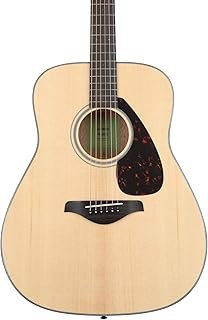
If you choose an acoustic guitar a smaller body for comfort, lighter strings (.010–.011 gauge) and low action (distance between the strings and the fret board) will help ease the pressure on your fingers and wrist.
Nylon-String classical guitars will be softer on your fingers and have wider neck which may be easier for some chord shapes
Electric guitars are great for comfort as they have lighter strings and don’t need as much finger pressure as they are played through an amplifier.

Change at Sixty's Guitar Starter Bundle for Older Adults
Here’s Change at Sixty’s Beginner Guitar Starter Bundle for Older Adults. It’s perfect for anyone starting their guitar journey at 60 and everything you need in one package.
Fender CD‑60S Acoustic Guitar – Comfortable neck, low action for easy playing.
Snark ST‑8HZ Clip-On Tuner – Quick, accurate tuning with rechargeable battery.
Kyser Quick-Change Capo – Effortless key changes for beginner-friendly songs.
D’Addario Light Gauge Strings (.010–.047) – Softer on fingers, ideal for beginners.
CAHAYA Guitar Bag – For comfort and portability.
Levy’s Leathers 3″ Wide Amped Leather Series Guitar Strap
D’Addario Celluloid Guitar Picks for easy guitar picking
Guitar Stand to make your guitar accessible 24 hrs. a day
Change at Sixty's beginner Tips That Actually Work
Learning anything new can be overwhelming so we have developed these tips to help you progress slowly and recognize how much better you are at playing guitar after each practice session
10 -15 minutes practice per day. beats a long day session every time. You’ll recognise your progress with smaller sessions and avoid the tiredness and frustration that a longer practice will cause.
Breaking a song into smaller sections. will help you master the song over the long term rather than trying to learn it in one day. Start off by mastering the intro first then do the same with the verse and chorus and before too long you will also perfect the transitions between chords.
Don’t try to play the song at its original tempo. Slow it down. You will master the song quicker if you start slow and then build up to the original tempo. Use a metronome at a comfortable speed and focus on accuracy.
Sondery Classic Mechanical Metronome
Use visual aids. The internet is awash with chord charts, color-coded notes, tablature charts for different songs and video tutorials. These tools can substantially increase the speed of your learning and playing along with song tutorials can be very beneficial.
Recording yourself. can highlight your progress and show the areas you need to improve in.
Make sure you stretch. and warm up before practicing. Gentle wrist and finger stretches before playing will ward off any pain after your session.
Congratulate yourself. after each practice session. Celebrate the small wins. That clean chord, smooth transition between chords, or completion of a whole verse. Each milestone is an indicator of how good you are getting at playing guitar
Health Benefits: Dexterity, Mindfulness, and Joy
As you learn guitar over 60, your hands grow stronger, your timing improves, and your focus deepens. Finger exercises and chord changes boost your coordination.
The breathing and concentration involved bring mindfulness into your routine—like meditation with strings. Many players find improved mood and reduced anxiety just by strumming their favorite tune after dinner.

Troubleshooting Common Challenges
If you find you are developing finger pain, use lighter strings, proper thumb position, and make sure you take short breaks.
Buzzing strings are a fact of a guitar players life. If you find this is happening press the string closer to the fingerboard or replace the strings with a lighter gauge.
Strumming can be confusing when you’re starting out. Don’t worry just practice steady down-strums first and then add the up strokes later. Before too long you will be confident doing both.
If your motivation dips don’t worry it can happen when you feel you are not progressing. If this happens join a forum, follow a teacher on YouTube, or schedule a weekly “mini concert” for your family.
If a particular song is proving difficult set is aside and just practice your chords individually, your down and up strums and your transitions between chords. Before too long you’ll be back practicing that song
Tip: Always keep your guitar accessible. Don’t put it away after a practice session. Keep in on the stand. Even if you don’t do your 10-15 minutes per day you won’t be able to resist picking it up as you walk past it just to strum it for a few minutes
Outro
If you’re ready to learn guitar over 60, start today. Make it the most exciting New Year Resolution you’ve ever promised yourself. Choose a comfortable guitar, commit to 10 minutes a day, and pick your first three songs. Follow the Change at Sixty’s 12 week learning plan and set a goal to have learnt your three songs from start to finish by the end of March 2026. You will then be well on your way to learn guitar over 60.
Affiliate Disclosure
At Change at Sixty, transparency is important to us. In compliance with the Federal Trade Commission (FTC) guidelines and Amazon Associates Program requirements, we want you to know that some of the links on this website are affiliate links.
This means that if you click on an affiliate link and make a purchase, we may earn a small commission at no additional cost to you. These commissions help us maintain this site and continue creating valuable content for our readers